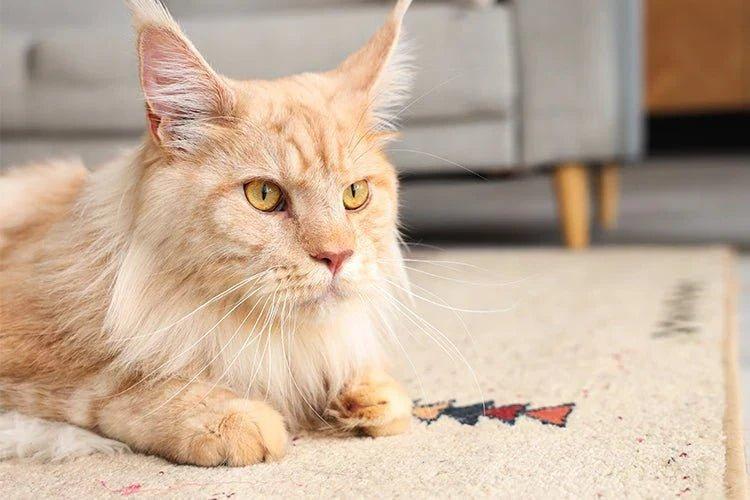
Maine Coons are not simply large cats. They are long, tall, and heavily built, with tufted paws and a tail that seems to arrive in the room a moment after the rest of the animal. A litter box that suits an ordinary domestic shorthair can feel like a phone booth to a full-grown Maine Coon, and the consequences are not subtle: litter scattered across the floor, reluctance at the entrance, and accidents just outside a box the cat simply could not get comfortable in.
Choosing a maine coon litter box is a sizing exercise before it is anything else. Once the physical fit is right, the other questions, such as whether an automatic model makes sense and how to place it, become much easier to answer. This guide works through the fit first, then the features that matter once a cat is using the box comfortably.
The Dimensions That Actually Matter
Manufacturers describe size in different ways, and the numbers that appear on a product page are not always the numbers that matter. Exterior footprint tells you how much floor the box occupies. What matters for a Maine Coon is the usable interior: the distance from the back wall to the opening, the width the cat has to turn around, and the height of the sides.
Aim for an interior length at least one and a half times your cat’s nose-to-tail-base measurement. For most adult Maine Coons that lands somewhere north of seventy centimeters, though you should measure your own animal rather than relying on breed averages. Turning radius is the second constraint. A cat that cannot rotate freely inside the box will often eliminate near the entrance and step out with soiled paws.
Height and the High-Sided Preference
Maine Coons are enthusiastic diggers, and a low-sided box becomes a launch pad for litter. High sides contain the spray and the scatter, but they also raise the entry threshold. The compromise is a box with high walls on three sides and a lower, gently eased opening at the front. That shape gives the cat room to dig while keeping the litter where it belongs.
If you choose a covered model, check the interior headroom. A Maine Coon that has to crouch to enter will often refuse the box or use it reluctantly. A top-entry design can work for some large cats, but seniors and cats with joint issues may struggle to climb out, so match the entry style to the individual animal.
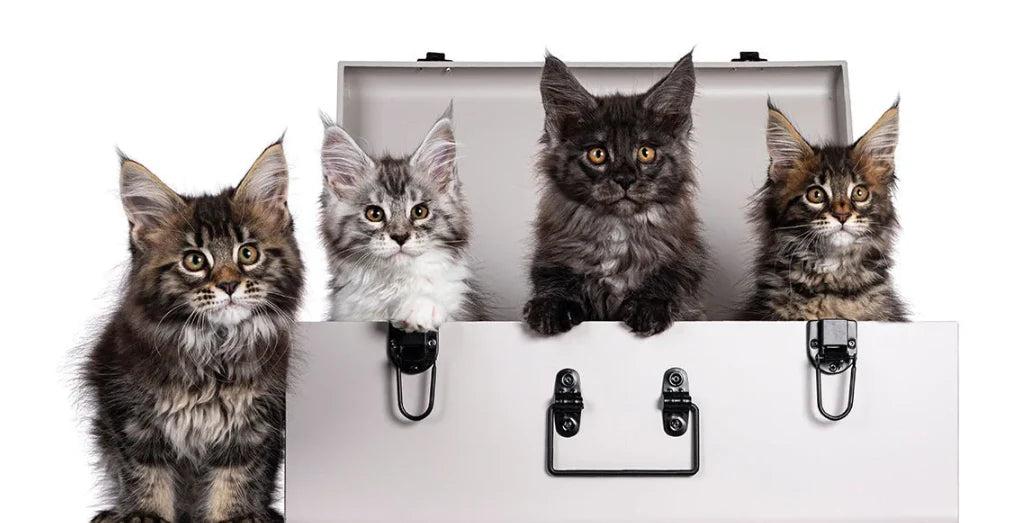
Do Automatic Boxes Work for Maine Coons?
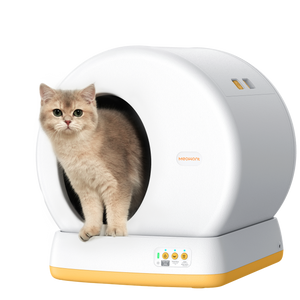
They can, but the size constraints bite harder. Many automatic models are built around the average cat, and a large Maine Coon may not fit comfortably inside the drum or may trigger weight sensors differently than a lighter animal. Before buying, confirm the interior dimensions against your cat and check the model’s weight range, since a heavy cat can sit right at the top of a sensor’s calibration.
The good news is that the maine coon litter box market has grown, and several models now offer larger drums and reinforced bases. Look for a wide entrance, a drum with enough turning space, and a rake or screen that can handle the volume a large cat produces. A machine sized for a small cat will need more frequent emptying and may struggle with larger clumps.
Weight and Sensor Calibration
A Maine Coon can weigh well over seven kilograms, which is close to the upper end of what some load cells are tuned for. If the sensor is calibrated mostly for lighter cats, a heavy cat may read as “always present” and prevent the box from cycling, or the opposite: a fast exit may register as empty too soon. Test the machine with your cat during the first week and watch whether cycles start and stop at the right moments.
Litter volume is related. Large cats produce larger and heavier clumps, and a drum that is undersized will fill faster than the advertised capacity suggests. Budget for more frequent drawer emptying than the manual indicates, and choose a litter that clumps firmly so the rake has less to smear.
Placement and the Space a Big Cat Needs
A Maine Coon needs a landing zone. A box jammed into a narrow gap between the washer and the wall gives the cat nowhere to turn around outside the entrance, and that alone can cause avoidance. Allow at least a cat-length of clear floor in front of the opening so the animal can enter, exit, and shake off litter without bumping into anything.
Keep the box away from the food and water bowls, and away from loud appliances that cycle unpredictably. Maine Coons are sociable and often prefer a box in a room they frequent rather than a distant basement corner, so a quiet spot in a commonly used room is often better than an isolated one. If the box is automatic, make sure a power outlet is within reach without stretching the cord across a walkway.
For multi-cat homes, the standard advice of one box per cat plus one applies with extra force. A single large box shared by two Maine Coons will be heavily used, and the dominant cat may guard it. A second box, even a simple high-sided one, relieves the pressure.
Introducing a New Box to an Adult Maine Coon
Adult cats are creatures of routine, and a Maine Coon that has used the same box for years may resist a new one simply because it is unfamiliar. Place the new unit beside the old box rather than replacing it outright. Leave the new box unplugged for a few days with a scoop of used litter inside, so the scent and the shape become familiar before any mechanism runs.
Once your cat has used the new box manually, run a single cycle while the cat is elsewhere and repeat it daily until the sound draws no reaction. Only then switch to automatic mode and remove the old box, ideally a week or two after the new one is being used consistently. Rushing this transition is the most common reason a perfectly good large box ends up unused in a corner.
Litter Choice for a Large, Long-Haired Cat
Maine Coons carry long fur between their toes, which means litter sticks to their paws more than it does to a short-haired cat. Fine, dusty clay litters travel furthest; larger-grain clumping litter or pellets tend to stay in the box better. Whatever you choose, a mat in front of the entrance catches a surprising amount of the rest.
Depth matters too. Enough litter for the cat to dig without hitting the bottom, but not so much that a large cat sends it over the sides. Three to five centimeters is a reasonable starting depth, adjusted for how vigorously your particular cat digs. Scoop daily even with an automatic box, because large clumps and long hair can bind a rake mechanism faster than a manufacturer’s testing suggests.
Grooming and Hygiene Around a Large Cat’s Box
A Maine Coon’s coat interacts with the litter box in ways short-haired owners rarely anticipate. Fur around the hindquarters and between the toes collects fine litter, and a cat that is not brushed regularly can carry soiled clumps onto furniture. A weekly brush-out, with extra attention to the sanitary area, reduces both the mess and the amount of hair that ends up in the drum.
Check the paws after each use for a few days when you first switch boxes. A large cat with litter packed between its toe pads may lick excessively or leave a trail across the floor, and that trail is a sign the litter grain is too fine for your cat’s feet. Switching to a coarser clumping litter or pellets usually resolves it within a week.
Odor control deserves a plan as well. Large cats produce more waste, and a drawer that fills quickly starts to smell before the app or the indicator says it is full. Empty the drawer on a schedule based on your cat rather than the manual’s estimate, and wipe the interior with a pet-safe cleaner during each change. A box that smells is a box a Maine Coon may begin to avoid, regardless of how well it fits.
Fit First, Features Second
A Maine Coon does not need a complicated litter box; it needs one that is genuinely large enough. Interior length, turning room, and a high-sided but accessible entrance are the foundations. Once those are right, an automatic model can add real convenience, provided its drum, rake, and sensors are sized for a heavy cat. Placement with room to maneuver and a litter type that does not cling to long fur complete the picture.
Measure your cat before you measure your floor space. If the interior dimensions work, the rest of the decisions fall into place. If they do not, no feature list will compensate for a box your Maine Coon cannot comfortably use.