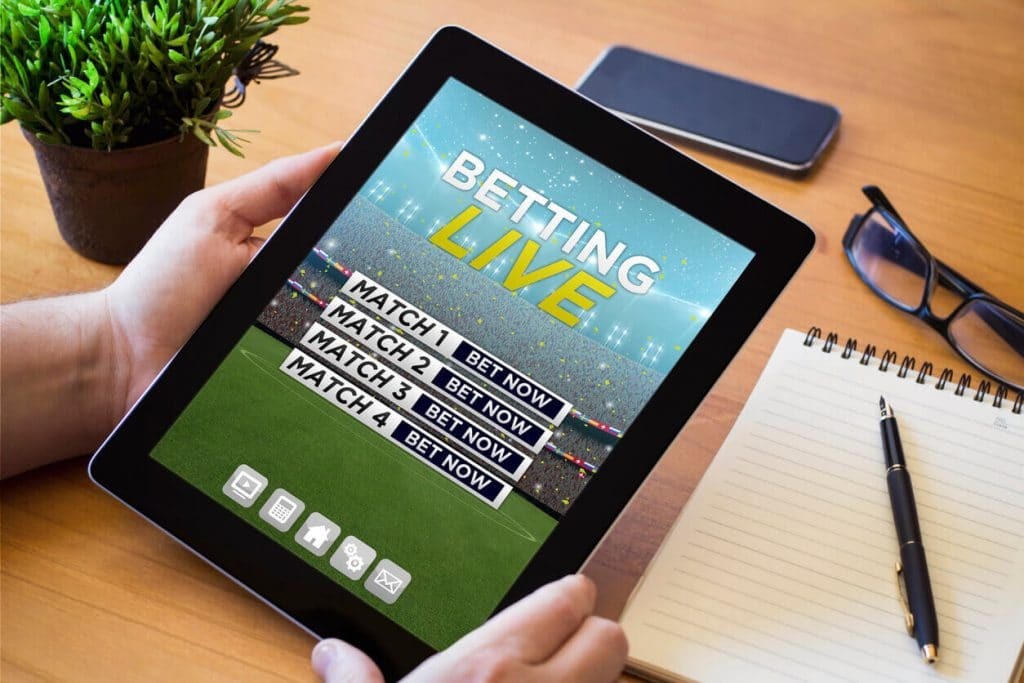
A decade ago, most bets locked in before kickoff. Place a line, close the tab, and hope. Today, match nights look different. The phone’s open, odds are shifting with every delivery, attack, or over, and the next decision is always a thumb away. Live betting didn’t just add speed; it changed the rhythm of watching sports.
Want to see how a polished in-play flow feels on an actual device? The tamasha live app captures the pattern – fast updates, clean markets, and a slip that keeps up with the game without tripping you up.
What changed first: time
Traditional wagering is one big decision taken early. Live betting breaks a game into dozens of small moments. Micro-windows appear and close – penalties, power plays, corners, timeouts – and each one offers a sensible, contained choice. That cadence fits real life. Short sessions between meetings, a quick pick during a drinks break, a hedge when momentum flips.
Odds became content
Live odds aren’t just numbers; they’re a live feed of the game’s story.
- Every spike tells you where pressure is building.
- Prices mirror tactics: a high press, a tiring defense, a bowler on rhythm.
- Suspensions and re-openings give a rhythm of anticipation instead of one-and-done bets.
Friction collapsed, so intent survived
- Three taps to place, one tap to edit or cash out. No hunting.
- Odds refresh under a second; updates don’t jump under a finger.
- Smart defaults: stake memory, quick stakes, and exact-URL redirects that don’t break flow.
Micro-markets made sense to more people
Not everyone wants a complex accumulator. Many prefer simple, immediate propositions:
- Next point, next boundary, first card, break of serve
- Player props that map to what’s on screen
- Time-bounded slices (next five minutes) that feel fair and digestible
Payments finally kept up
Fast rails were the missing piece. Now:
- Instant deposits and predictable withdrawal ETAs keep trust intact
- Clear fee logic and local methods reduce second-guessing
- Strong auth when it matters, not at every tap
Second screen became the main event
Live betting rides on the way younger fans already watch: chat threads, short clips, side-by-side streams.
- Shareable slips inside small groups beat global leaderboards
- Creator rundowns and quick explainers push timely markets, not generic hype
- Deep links jump from a clip to a market without detours
Psychology tilted toward participation
- Agency: calling the next moment feels like playing, not spectating
- Feedback: instant results tighten the loop and reduce doubt
- Recovery: hedging or partial cash-out gives control, not regret
- Identity: team allegiance turns into lightweight signals in small circles
Design choices that nudge adoption
- Portrait-first layouts, big targets, and a slip that never hides the action
- Live markets on top; what’s next is one swipe away; niche stays out of the main path
- Notifications tuned to real stakes: critical swings get a ping, dead air stays quiet
- Plain language everywhere – no riddles, no buried timelines
Pricing and product features that help
- Cash-out and partial cash-out when volatility spikes
- Same-game parlays that build live, not only pre-match
- Latency-aware safeguards: price change prompts that are clear and quick
- Server truth for state; the client displays, it doesn’t decide
Where live betting still goes wrong
- Lag masquerading as “great prices” – if the feed’s slow, confidence drops
- Over-complicated markets that read like a puzzle, not a choice
- Push spam during off-hours; muting follows, then churn
- KYC loops that fail on diacritics, glare, or document type; users stall at the door
- Vague promos that hide caps and timelines; the trust hit is immediate
Why traditional wagers still have a place
Pre-match markets aren’t vanishing. They serve planners and value-hunters, and they’re cleaner for big narratives: season totals, top scorers, outright winners. The difference now is that many users pair them with live positions – lock a stance early, then adjust when the match goes sideways.
Signals a platform is built for real in-play use
- Sub-300 ms odds updates at peak; no mid-swipe jumps
- Reconnect that restores slip state instantly after a network dip
- Transparent cash-out logic; no black-box moments
- Local payments in the right order; live status for deposits and withdrawals
- Responsible play surfaced, not hidden: spend caps, timeouts, and cool-off options
- Accessible UI: high contrast, readable type, screen-reader friendly OTPs
A compact checklist for product teams
- Three-tap live flow from market to confirmation
- Real-time engine with WebSockets and graceful fallbacks
- Idempotent bet placement to prevent duplicates on shaky networks
- Cash-out and partial cash-out with clear pricing and timing rules
- Honest promos with caps and timelines upfront
- Live ops calendars that match sports schedules without flooding push
- Light themes that hold 60 fps on mid-tier phones; progressive asset loading
- Observability: synthetic journeys run login → deposit → live bet → cash-out every minute
Bottom line
Live betting wins because it matches how fans actually watch: in quick bursts, in groups, and in the middle of everything else. Cut the friction, keep prices honest, show outcomes fast, and let users adjust when the game changes. That’s not a fad. That’s the new baseline for betting that feels like part of the match, not a separate chore.