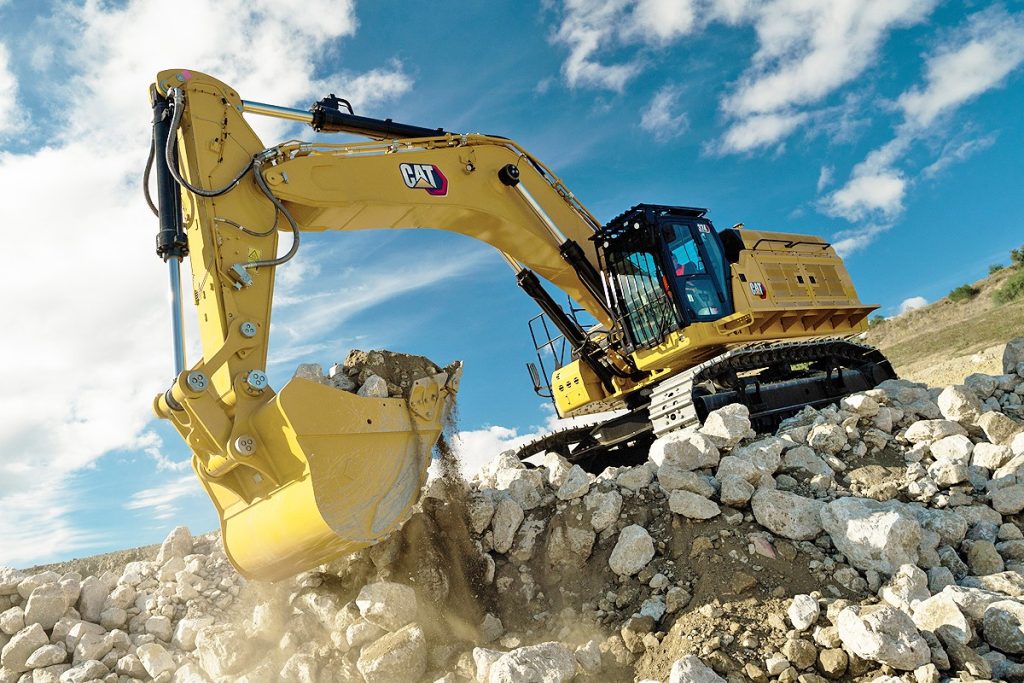
The adaptability and rapidity of a project are frequently determiners of its success or failure in the current fast-paced construction environment. Deadlines are tighter, client expectations are higher, and project scopes can change with little notice. In such conditions, heavy equipment rental has emerged as a powerful solution that goes far beyond simple cost savings. It offers flexibility, efficiency, and strategic advantages that many project managers are only beginning to fully understand.
Flexibility That Matches Project Demands
The flexibility that heavy equipment rental offers is one of the most significant concealed advantages. Fast-moving projects rarely follow a perfectly predictable path. Requirements can shift due to design changes, weather conditions, or unexpected site challenges. Owning equipment can limit your ability to adapt quickly, as you are restricted to the machines you already have.
Rental options enable you to effortlessly grow or contract your fleet in accordance with your current requirements. If a project suddenly requires additional excavators, loaders, or specialized machinery, rental services allow immediate access without long procurement delays. This flexibility ensures that work continues without interruptions, keeping timelines intact.
Faster Project Start Times
Time lost at the beginning of a project can ripple through the entire schedule. Purchasing heavy machinery involves research, approvals, financing, and delivery timelines, all of which can slow down project kickoff.
Heavy equipment rental eliminates these delays. Equipment is often available on demand and can be delivered directly to the job site within a short time frame. This means teams can begin work almost immediately, giving projects a crucial head start and reducing overall completion time.
Access To The Latest Technology
Another overlooked benefit is access to modern and well-maintained equipment. Rental companies frequently update their fleets to include the latest models equipped with advanced technology. These machines often come with improved fuel efficiency, enhanced safety features, and better performance capabilities.
Using updated equipment allows operators to work more efficiently and safely, which directly impacts productivity. In initiatives that are moving at a rapid pace, where every hour is crucial, even minor enhancements in performance can result in substantial time savings.
Reduced Maintenance And Downtime
The ownership of heavy equipment entails the obligation to address maintenance, repairs, and unforeseen failures. These issues can cause costly delays, especially when equipment fails during critical phases of a project.
When you rely on heavy equipment rental, maintenance is typically handled by the rental provider. If a machine encounters a problem, it can often be repaired or replaced quickly. This minimizes delay and guarantees uninterrupted operations.
Improved Cash Flow Management
Fast-moving projects often require careful financial planning. Large upfront investments in machinery can strain budgets and limit the ability to allocate funds to other essential areas such as labor, materials, or project expansion.
Heavy equipment rental shifts these large capital expenses into manageable operational costs. Instead of tying up funds in equipment ownership, businesses can maintain better cash flow and invest in areas that directly contribute to project progress. This financial flexibility is especially valuable in projects with tight deadlines and evolving requirements.
Specialized Equipment For Specific Tasks
Not every project requires the same type of equipment throughout its lifecycle. Certain phases may demand specialized machinery that is not used frequently enough to justify purchasing.
Rental services offer temporary access to a diverse selection of specialized apparatus. Whether it is a high-reach excavator, compact loader, or advanced lifting equipment, renting allows teams to use the right tool at the right time without long-term commitments. This precision improves efficiency and reduces unnecessary costs.
Risk Reduction In Uncertain Conditions
Construction projects often face uncertainties, including market fluctuations, regulatory changes, and unexpected delays. Owning equipment in such conditions can increase financial risk, especially if machines remain unused.
Heavy equipment rental reduces this risk by offering flexibility without long-term obligations. Businesses can adjust their equipment needs based on project conditions, avoiding the burden of idle assets. This adaptability is crucial in maintaining stability in unpredictable environments.
Enhancing Overall Productivity
When all these advantages come together, the result is a noticeable improvement in overall productivity. Teams can work with the right equipment, at the right time, without delays or limitations. Project managers can focus more on execution and less on logistical challenges.
In fast-moving projects, where every decision impacts timelines, heavy equipment rental acts as a strategic tool rather than just a temporary solution. It empowers teams to respond quickly, maintain momentum, and deliver results efficiently.
Conclusion
The true value of heavy equipment rental lies in its ability to support speed, adaptability, and efficiency in dynamic project environments. Beyond cost savings, it offers practical advantages that directly influence project success. From faster starts and reduced downtime to better financial management and access to modern technology, rental solutions provide a competitive edge that is hard to ignore. As construction demands continue to evolve, businesses that embrace heavy equipment rental are better positioned to handle challenges and seize opportunities. In fast-moving projects, the ability to adapt quickly is not just an advantage; it is a necessity.