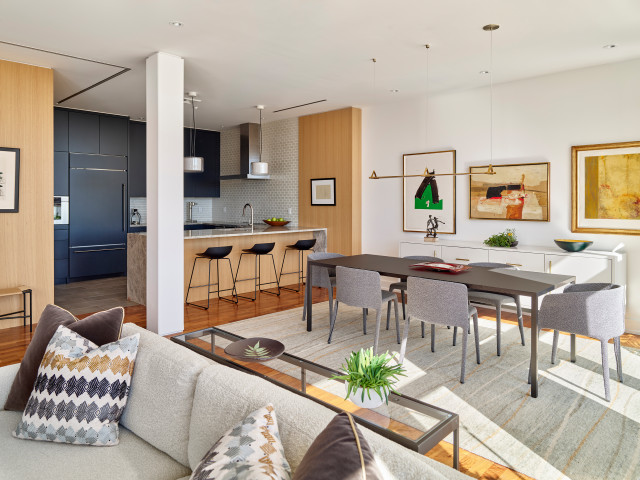
Open plan kitchens have become one of the most influential trends in modern home design. Over the past few decades, homeowners have moved away from traditional layouts that separated kitchens from dining and living areas. Instead, many now prefer open and connected spaces that encourage interaction, improve functionality, and create a greater sense of openness throughout the home. This shift reflects changing lifestyles, where families often spend more time together in shared spaces and entertaining guests has become a more integrated experience.
The modern kitchen is no longer viewed solely as a place to prepare meals. It has evolved into a central hub where cooking, dining, working, and socializing often take place. As modern homes continue embracing open and connected layouts, brands like Ciarra One are helping homeowners create kitchen spaces that combine functionality with contemporary design. The popularity of open plan kitchens shows no signs of slowing down as more people seek homes that feel spacious, welcoming, and adaptable to their daily needs.
Why Open Plan Kitchens Have Become So Popular
One of the primary reasons open plan kitchens remain popular is their ability to create a greater sense of space. Removing walls between the kitchen and surrounding living areas allows natural light to travel more freely throughout the home, making rooms feel larger and brighter. This openness can be especially beneficial in smaller homes where maximizing visual space is important.
Open layouts also encourage stronger social connections. Family members can interact more easily while preparing meals, helping children with homework, or relaxing in adjacent living spaces. Instead of being isolated in a separate room, the person cooking can remain engaged in conversations and activities happening around them.
Modern lifestyles have further contributed to the appeal of open plan kitchens. Many homeowners appreciate flexible living spaces that can adapt to different activities throughout the day. Whether hosting friends, enjoying family meals, or working remotely, open layouts provide versatility that traditional floor plans often lack.
How Kitchen Layouts Influence Daily Life
The design of a kitchen can have a significant impact on daily routines and overall comfort. A thoughtfully planned layout helps improve workflow by making it easier to move between preparation, cooking, and cleaning areas. This efficiency can make everyday tasks feel more manageable and enjoyable.
Open kitchens also strengthen the connection between cooking and dining spaces. Meals can be served more easily, and family members can gather naturally without barriers interrupting communication. This creates a more inclusive atmosphere that supports modern family life.
Beyond practicality, kitchen layouts influence the overall mood of a home. Open and welcoming designs encourage people to spend more time together, transforming the kitchen into a space that supports both productivity and relaxation. The ability to combine functionality with social interaction is one of the key reasons open plan kitchens continue to be highly desirable.
The Growing Importance of Kitchen Islands
Kitchen islands have become a defining feature of many open plan kitchens. Their popularity stems from their ability to provide multiple benefits while serving as a natural focal point within the space.
One of the most obvious advantages is the additional workspace they provide. Meal preparation often requires extra room for ingredients, utensils, and appliances, and an island can help reduce congestion on primary countertops. This additional surface area makes cooking more convenient and organized.
Kitchen islands also create opportunities for casual dining. Many homeowners incorporate seating into their island designs, allowing family members to enjoy quick meals, morning coffee, or informal conversations while food is being prepared.
Storage is another major benefit. Cabinets, drawers, and shelving built into the island help maximize available space and improve organization. This can be particularly valuable in kitchens where efficient storage is essential.
From a design perspective, kitchen islands often become the visual centerpiece of the room. They help define the kitchen area while contributing to the overall style and character of the space.
Choosing the Right Appliances for Open Kitchens
Because appliances are more visible in open layouts, homeowners often place greater emphasis on selecting products that complement the overall design of the home. Functionality remains important, but aesthetics have become an equally significant consideration.
Modern kitchens benefit from appliances that blend seamlessly with surrounding cabinetry, countertops, and architectural elements. Coordinated finishes and streamlined designs help maintain a cohesive and attractive appearance.
Ventilation is especially important in open concept kitchens because cooking odors, smoke, and moisture can easily spread into adjoining living areas. Effective ventilation systems help maintain indoor comfort while supporting better air quality.
Many homeowners choose an island cooker hood because it provides effective ventilation above the cooking area while maintaining the open and elegant appearance that modern kitchen designs aim to achieve.
Selecting the right appliances helps ensure that open kitchens remain practical, comfortable, and visually appealing while supporting the demands of everyday use.
Design Features That Enhance Open Plan Kitchens
Several design elements contribute to the success of open plan kitchens. Consistent materials and finishes help create visual harmony throughout connected living spaces. Matching color palettes, coordinated cabinetry, and complementary flooring choices contribute to a seamless overall appearance.
Lighting also plays an important role. Layered lighting strategies can help define different areas within an open layout while providing adequate illumination for cooking, dining, and social activities. Pendant lights above kitchen islands are a popular choice because they combine functionality with decorative appeal.
Smart storage solutions are equally valuable. Open layouts can quickly appear cluttered if storage is insufficient, so homeowners often prioritize features that keep everyday items organized and out of sight. Built-in storage systems help maintain the clean and spacious appearance that open kitchens are known for.
When these design elements work together, they create a kitchen environment that feels both practical and inviting.
Trends Shaping the Future of Open Kitchen Design
Open kitchen design continues to evolve alongside changing consumer preferences and technological advancements. Smart home technology is becoming increasingly integrated into kitchen environments, allowing homeowners to control appliances, lighting, and other systems more conveniently.
Energy-efficient appliances are also gaining popularity as sustainability becomes a greater priority. Homeowners are looking for solutions that reduce energy consumption while maintaining strong performance and convenience.
The use of sustainable materials is expected to continue growing as environmentally conscious design practices become more widespread. Recycled materials, responsibly sourced products, and durable finishes are influencing modern kitchen projects.
Minimalist design principles are likely to remain popular as well. Clean lines, uncluttered spaces, and streamlined appliances align closely with the open and spacious feeling that homeowners seek in contemporary homes.
Common Mistakes to Avoid When Planning an Open Kitchen
While open plan kitchens offer many advantages, careful planning is essential to achieve the best results. One common mistake is failing to consider traffic flow. A poorly arranged layout can make movement difficult and reduce overall efficiency.
Insufficient storage is another issue that can affect both functionality and appearance. Without adequate storage solutions, countertops may become cluttered, undermining the clean aesthetic that open kitchens are designed to achieve.
Ventilation is sometimes overlooked during the planning process. In open layouts, effective ventilation becomes even more important because cooking byproducts can spread more easily throughout connected spaces.
Lighting imbalances can also impact usability and comfort. Combining task lighting, ambient lighting, and accent lighting helps create a well-balanced environment that supports a variety of activities.
Conclusion
Open plan kitchens continue to dominate modern home design because they support the way people live today. By creating connected spaces that encourage interaction, improve functionality, and maximize natural light, these layouts offer benefits that appeal to a wide range of homeowners.
Thoughtful planning, effective storage, quality appliances, and proper ventilation all contribute to the success of an open kitchen design. As lifestyles continue evolving, the demand for flexible and welcoming living spaces is likely to remain strong. Open plan kitchens represent a practical and attractive solution that combines comfort, efficiency, and style in a way that continues to shape the future of modern homes.