There are many unexpected moments in life. Whether at home, in public, or at work, accidents and medical crises may occur anywhere. The first moments after an occurrence are often the most crucial. Ordinary people may react swiftly and efficiently until professional assistance comes if they grasp the fundamentals of first aid. Gaining the ability to identify crises and provide treatment right away may significantly improve results and perhaps save lives.
Recognising The Function Of First Aid
When someone is hurt or unexpectedly gets unwell, first aid is the treatment they receive before medical specialists can help. It consists of basic methods that stabilise an individual, lessen discomfort, and stop a problem from becoming worse. Healthcare professionals are not the only ones with these abilities. Through organised training programmes, anybody may master the fundamentals. Since first aid courses provide useful information that equips people for real-life scenarios, many communities urge people to register for them.
Treating wounds and burns, handling sprains, reacting to choking situations, and administering cardiopulmonary resuscitation when required are examples of common first aid abilities. In an emergency, even seemingly little tasks like assisting someone keep their airway open or providing pressure to a cut may be quite helpful.
Situations In Daily Life Where First Aid Is Useful
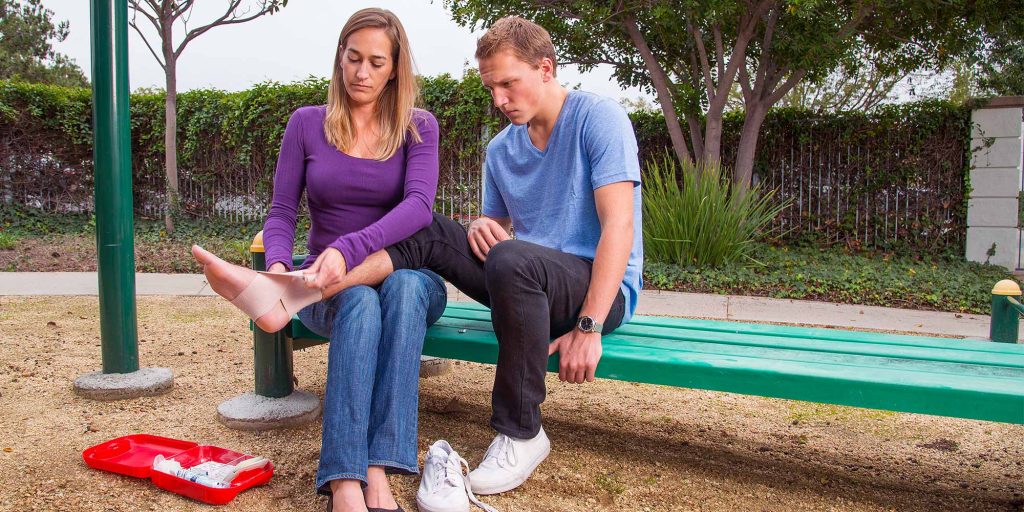
Numerous mishaps occur throughout everyday tasks. A person may stumble and hurt their ankle when exercising regularly, a youngster may fall while playing, or someone may get a slight burn while cooking. People often feel uncertain about what to do next when they lack the necessary information. People who have received first aid training are better able to remain composed and act appropriately.
Acquiring these abilities also lessens stress in emergency situations. When someone is aware of the proper protocols, they are able to promptly evaluate the circumstances and provide support. One of the primary reasons many individuals decide to take first aid courses Brisbane, where organised programmes teach both theory and practical application, is this capacity for composed response.
Increasing Self-Assurance To React Fast
One of the most significant advantages of studying first aid is increased confidence. Because they are afraid of making a mistake, many individuals are reluctant to act in emergency situations. This issue is addressed by training programmes that offer safe and efficient ways to help.
Participants get knowledge on how to assess an injured person’s status and choose the best course of action. Additionally, they practice emergency procedures like helping someone who is choking or supporting someone who is fainting or dizzy. People may develop the confidence they need to step up and assist when an emergency calls for quick action with practice and direction.
By fusing training with real-world examples and demonstrations, programmes like first aid courses Brisbane are intended to get learners ready for these eventualities. This method makes students feel better equipped to deal with real-world scenarios.
Encouraging Safer Workplaces And Homes
Knowledge of first aid is beneficial to both people and the communities to which they belong. Increased awareness of basic emergency care makes public areas, companies, schools, and homes safer.
In the workplace, skilled professionals may help colleagues who could sustain illnesses or injuries throughout the workday. Parents and other family carers who are trained in first aid are better equipped to deal with frequent youngster mishaps. When citizens are able to support one another in times of need, communities also gain.
Many organisations encourage staff and community members to enrol in first aid courses as part of their safety efforts because of these benefits. The goal is to create settings in which people feel ready to help others in the event of an emergency.
Mitigate The Effects Of Emergencies
The outcome of an emergency may be greatly impacted by prompt response in the early stages. Prompt action might lessen the severity of injuries and avoid consequences. For instance, being able to manage bleeding or position an unconscious person correctly might assist in stabilising the situation until aid arrives.
Understanding first aid also makes it easier for individuals to see warning indicators of dangerous illnesses. The ability to recognise signs that call for immediate medical treatment guarantees that assistance is sought promptly. In order to safeguard health and safety in daily life, this knowledge is crucial.
In Conclusion
Knowing how to provide first aid is an essential life skill that benefits individuals, families, and communities. Commonplace circumstances may swiftly escalate into crises, and being able to react composedly and skilfully can make a big difference. People who have the right instruction and training acquire the abilities and self-assurance necessary to aid others when they most need it. Participating in first aid courses helps people create safer surroundings and improves their readiness to deal with life’s unforeseen events.