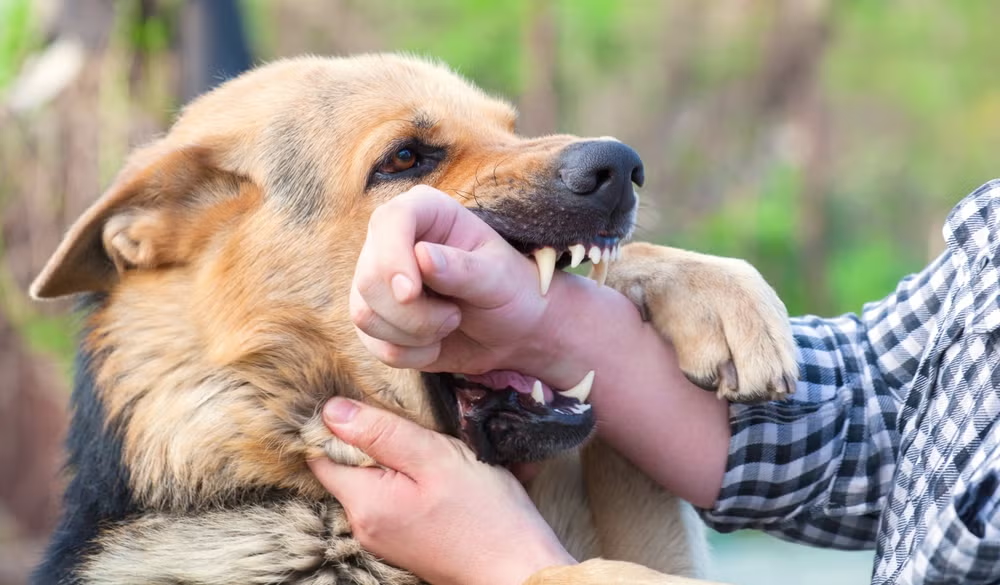
Dog bite accidents can cause physical injuries, emotional distress, and financial burdens for victims. While many dogs are well-trained and friendly, situations can arise where a dog behaves aggressively and causes harm. By defining obligations, assessing liability, and creating avenues for harmed parties to pursue compensation, personal injury law offers a legal framework that aids in addressing these situations. After a dog bite incident, many victims consider consulting an attorney for dog bite cases to better understand how personal injury law applies to their situation.
Legal Recognition Of Dog Bite Injuries
Dog bite events are recognized by personal injury law as a type of injury case in which an individual is harmed by the activities of another person’s animal. Because dogs are considered the responsibility of their owners, the law often examines whether the owner exercised reasonable care in controlling or supervising the animal.
The law permits victims of injuries to file claims that aim to compensate for the incident’s financial, emotional, and bodily effects. By recognizing dog bite injuries as legitimate personal injury claims, the legal system provides a pathway for resolving disputes and addressing damages.
Establishing Owner Responsibility
One of the key components of personal injury law in dog bite cases is determining whether the dog owner can be held responsible for the incident. Legal liability frequently depends on a number of variables, such as whether the owner took appropriate safety measures to keep the dog safe.
For example, if a dog were allowed to roam freely in a public area without proper supervision, authorities may consider whether the owner failed to maintain control of the animal. Courts and investigators often review the circumstances surrounding the incident to determine whether the owner’s actions contributed to the injury.
The Importance Of Investigating The Incident
Personal injury law relies heavily on thorough investigation when evaluating dog bite accidents. Investigators may review police reports, medical records, witness statements, and photographs from the scene. These pieces of evidence help clarify how the incident occurred and what factors may have contributed to the injury.
Medical documentation is especially important because it provides details about the extent of injuries and the treatment required. These records help establish the connection between the bite incident and the victim’s physical condition.
Consideration Of Local Animal Laws
Local animal regulations can influence how personal injury law addresses dog bite incidents. Dogs must be properly restrained, vaccinated, and supervised according to rules in many towns. These rules are intended to increase public safety and lower the likelihood of assaults.
If a dog owner violates these regulations and a bite incident occurs, that violation may become an important factor during legal evaluations. Compliance with local rules often helps demonstrate responsible ownership, while violations may raise questions about whether proper precautions were taken.
Evaluating The Impact On Victims
Personal injury law also considers how a dog bite accident affects the victim’s daily life. Injuries from dog bites can vary widely, ranging from minor wounds to more serious conditions that require surgery, rehabilitation, or long-term medical care.
Beyond physical injuries, victims may experience emotional distress or anxiety related to the incident. These elements can be taken into account when assessing the accident’s overall effects thanks to personal injury law. By assessing both immediate and long-term effects, the legal process aims to address the full consequences experienced by the injured person.
The Role Of Insurance Coverage
Insurance coverage often plays a role in resolving dog bite cases. Many homeowners’ insurance policies include provisions that address liability related to dog bite incidents. Insurance companies may examine the accident’s circumstances when filing a claim to ascertain whether the policy is applicable.
Insurance investigations typically examine factors such as the location of the incident, the actions of the dog owner, and the documentation provided by the injured party. These evaluations help determine how compensation claims are handled within the legal framework.
Promoting Accountability And Prevention
Personal injury law not only addresses the consequences of dog bite accidents but also promotes accountability and prevention. When legal responsibilities are clearly defined, dog owners are encouraged to manage their pets responsibly and take steps to reduce potential risks.
This includes proper training, supervision, and compliance with local regulations. By reinforcing these expectations, the legal system helps create safer environments for both pet owners and members of the community.
Conclusion
Dog bite accidents can lead to complex legal and personal challenges. Personal injury law provides a structured approach for addressing these incidents by evaluating owner responsibility, examining evidence, and considering the impact on victims. Through investigation, legal standards, and insurance evaluations, the law seeks to ensure that dog bite cases are handled fairly.