In the legal industry, every document can play an important role in a case. Contracts, court filings, deposition transcripts, medical records, financial statements, and evidence files must be organized, accessible, and handled with care. However, managing large volumes of physical paperwork can consume valuable time, increase administrative workloads, and make important information difficult to locate. This is where professional legal scanning services provide a practical solution.
Legal scanning converts physical documents into digital files that legal professionals can store, search, share, and retrieve more efficiently. By combining advanced scanning technology with document organization and quality control, law firms can streamline their workflows while maintaining better control over sensitive information.
What Are Legal Scanning Services?
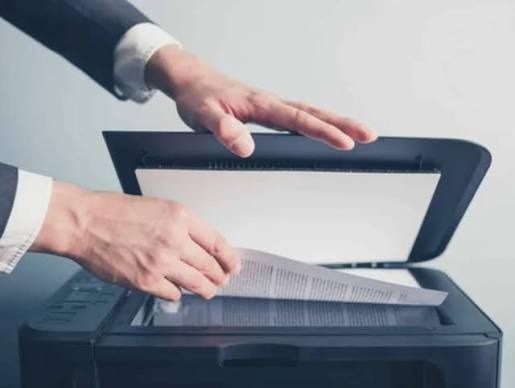
Legal scanning services involve converting paper-based legal records into electronic documents for convenient access and management. Specialized providers use professional scanning equipment and document-processing software to digitize everything from individual case files to thousands of pages stored in filing cabinets and archive boxes.
Unlike basic office scanning, professional legal document scanning can include document classification, pagination, Optical Character Recognition (OCR), Bates numbering, file indexing, and electronic document preparation. These features help ensure that scanned records are useful for everyday legal work, discovery, case preparation, and trial proceedings.
The objective is not simply to create digital copies. It is to transform unorganized paperwork into a structured, accessible document collection that supports legal teams throughout a case.
Why Law Firms Need Professional Legal Scanning Services
Paper records can create operational challenges, especially when attorneys must review extensive evidence under tight deadlines. Searching through physical folders takes time, while copying and transporting documents can introduce delays.
Professional scanning services address these challenges in several ways.
Improved document accessibility: Digital records allow authorized team members to retrieve relevant files without searching through multiple cabinets or boxes.
Better organization: Documents can be categorized by client, case number, date, document type, or another agreed-upon indexing system.
Reduced physical storage: Digitization helps law firms reduce dependence on physical filing space, although original records should be retained whenever required.
More efficient collaboration: Electronic files make it easier for authorized attorneys, paralegals, and litigation support professionals to review and exchange documents.
Support for demanding deadlines: A well-organized digital document collection can help legal teams prepare for discovery, hearings, depositions, and trials more efficiently.
Key Features of Legal Document Scanning Services
1. High-Volume Document Scanning
Large litigation matters can generate thousands of pages of paperwork. High-speed scanning equipment helps service providers process substantial document volumes while maintaining image quality and page consistency. This is particularly useful for law firms handling complex litigation, insurance claims, corporate disputes, and historical case archives.
2. Optical Character Recognition (OCR)
OCR technology converts text within scanned images into machine-readable text. With properly processed documents, users can search for names, dates, keywords, and specific phrases rather than manually reviewing every page.
OCR accuracy depends on the original document’s condition, print quality, handwriting, and layout. Quality checks remain important, especially when scanned information will support legal research or evidence review.
3. Bates Numbering and Pagination
Bates numbering assigns unique identifiers to documents or pages, helping legal teams reference records consistently during discovery, depositions, and trial preparation. Pagination provides an orderly page sequence, while appropriate document labeling helps maintain a clear structure.
These processes can make it easier to identify, cite, exchange, and review case materials. Numbering conventions should be agreed upon in advance to match the matter’s requirements.
4. Document Indexing and Organization
Scanning is most useful when files are easy to locate afterward. Indexing organizes documents using identifying information such as case names, dates, document categories, or reference numbers. Depending on the project, providers may also create searchable databases or structured electronic deliverables.
5. Legal Copying and Trial Exhibit Preparation
Many legal matters require more than digital conversion. Professional legal copying services may include duplicate sets, organized binders, labeled exhibits, and document packages prepared for hearings or trials. Coordinating copying, scanning, and exhibit production can simplify the preparation process and reduce repetitive administrative work.
Security and Confidentiality in Legal Scanning
Legal documents frequently contain privileged communications, confidential business information, personal records, or sensitive financial and medical details. Protecting this information should be a priority throughout the scanning process.
Before selecting a provider, law firms should evaluate document-handling procedures, access controls, secure transfer methods, storage arrangements, staff training, and retention or destruction policies. A clear chain of custody can also be important when records are collected, transported, processed, and returned.
Providers should be able to explain their security practices and identify the safeguards applicable to a particular project. Any claims involving certifications or regulatory compliance should be verified directly with the provider.
Secure legal scanning is not only about protecting files during conversion. It also requires thoughtful management of the resulting digital records.
How Legal Scanning Supports Litigation
Litigation often involves extensive evidence collected from multiple sources. Without a consistent document management process, relevant records may be difficult to identify when attorneys need them most.
Digitized files can support document review, discovery preparation, deposition planning, exhibit selection, and case chronology development. Searchable records also help legal teams identify potentially relevant communications and compare information across documents.
For trial preparation, professionally organized digital files can complement physical binders and electronic presentations. Services such as Bates stamping, OCR processing, document unitization, and secure document handling help create a more manageable workflow.
NAEGELI Deposition & Trial describes its legal copying and scanning solutions as including high-speed scanning, pagination, OCR, Bates stamping, secure document handling, and trial-related document preparation. These services illustrate how specialized litigation support can extend beyond basic scanning.
Choosing the Right Legal Scanning Provider
Selecting a scanning partner requires more than comparing prices. Law firms should consider the provider’s experience with legal records, capacity to handle large projects, quality assurance procedures, confidentiality safeguards, turnaround expectations, and available output formats.
It is also helpful to ask whether the provider can accommodate document indexing, searchable PDFs, Bates numbering, electronic file conversion, secure pickup, and specialized trial preparation. Before beginning a large project, establish the required file structure, naming conventions, numbering format, delivery method, and handling instructions for original documents.
A reliable provider should communicate clearly, explain the workflow, and offer a process for resolving missing pages, scanning defects, or indexing errors.
Conclusion
Legal scanning services help modern law firms move beyond time-consuming paper-based processes toward more organized and accessible document management. From high-volume scanning and OCR processing to Bates numbering, indexing, and trial exhibit preparation, these solutions can improve efficiency while supporting the careful handling of legal records.
The right scanning partner can help legal professionals spend less time managing paperwork and more time reviewing evidence, preparing arguments, and serving clients. By prioritizing accuracy, security, organization, and dependable delivery, law firms can build a digital document workflow that supports both daily operations and complex litigation requirements.