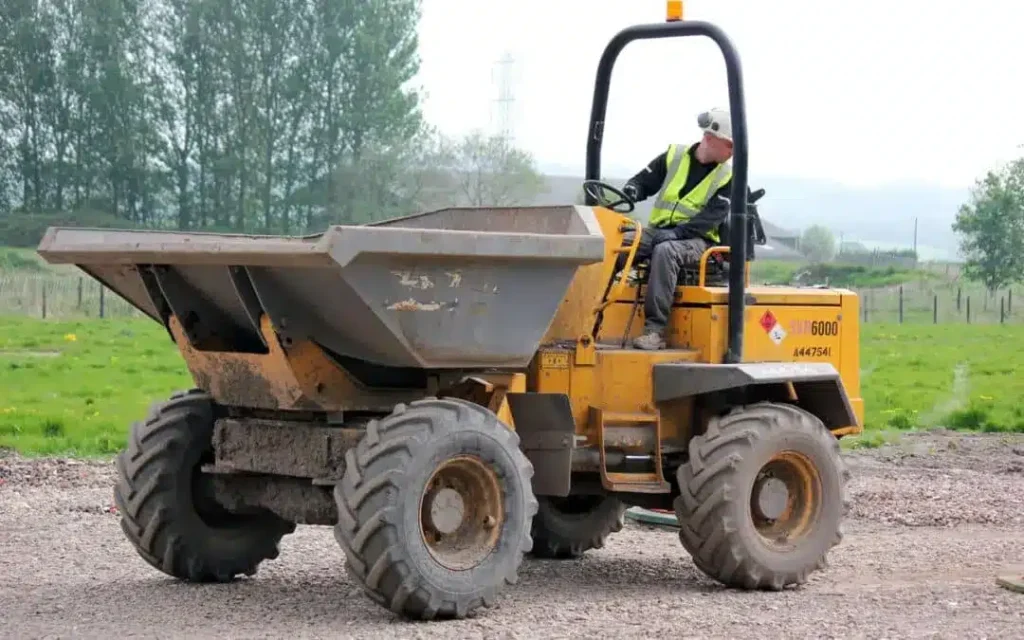
Dumper training is an essential part of construction and industrial work, helping operators handle machinery safely and efficiently. Working with dumpers may seem straightforward, but without proper training, the risks of accidents and equipment damage are high. Dumper training courses are designed to give workers the knowledge, skills, and confidence to operate these vehicles while keeping themselves and others safe on site. By learning the correct procedures, operators can reduce workplace incidents and improve productivity, making safety a top priority in any work environment.
These courses do more than teach basic controls; they emphasize understanding the environment, machinery limits, and emergency procedures. Workers trained in dumper operations are better equipped to prevent accidents, comply with health and safety regulations, and maintain equipment properly. For companies, investing in dumper training demonstrates a commitment to safety and professionalism, which can positively impact reputation and overall efficiency.
Understanding the Basics of Dumper Operation
A solid foundation in dumper operation starts with understanding the different types of dumpers and how they function. Trainees learn about load capacities, steering mechanisms, braking systems, and stability factors, all of which are crucial for safe handling. This knowledge allows operators to recognize potential hazards before they become problems, such as overloading or uneven terrain that could cause tipping. Knowing the machinery’s limitations ensures that workers make informed decisions while on site.
In addition to machinery specifics, courses often cover essential operational checks before use. Inspecting brakes, tires, hydraulic systems, and safety devices prevents mechanical failures that could lead to accidents. These routine checks, combined with proper driving techniques, lay the groundwork for safe and efficient dumper use. Operators who understand the basics are better prepared to navigate challenging work sites, handle materials carefully, and avoid costly mistakes.
Site Awareness and Risk Assessment
Dumper training emphasizes the importance of site awareness and risk assessment to prevent accidents. Operators are taught to evaluate the terrain, identify potential hazards, and plan routes that reduce risks. Uneven ground, loose soil, and nearby obstacles can pose serious dangers if not carefully considered before operating a dumper. Courses stress that assessing the site is an ongoing process, not just a one-time check, ensuring that operators remain vigilant throughout the workday.
The same principles of preparation and risk reduction apply to vehicle transportation, which is why many people choose a Nashville Car Shipping Company to handle long-distance car moves with professional safety procedures and careful logistics planning.
Training also covers communication with other workers, including using signals and maintaining clear sightlines. Understanding the movement of other machinery and personnel helps prevent collisions and injuries. By integrating site awareness into daily routines, operators learn to anticipate problems before they occur, creating a safer and more productive environment for everyone involved.
Safe Loading and Unloading Techniques
One of the most critical aspects of dumper training is learning safe loading and unloading techniques. Improper loading can affect a vehicle’s balance and stability, increasing the risk of tipping over. Trainees learn how to distribute weight evenly, avoid overloading, and operate the dumper bed safely to prevent accidents during material transfer. Proper loading also minimizes strain on the vehicle’s engine and hydraulic systems, extending its lifespan and maintaining efficiency.
Unloading procedures are equally important. Operators are taught to choose stable, level areas for unloading and to move the dumper slowly and steadily. Training ensures that workers understand the risks of sudden movements or uneven dumping, which could harm themselves, nearby workers, or equipment. These techniques help create a systematic approach to handling materials safely, protecting both personnel and machinery.
Emergency Procedures and Safety Protocols
Dumper training courses include detailed instructions on emergency procedures and safety protocols to prepare operators for unexpected situations. Trainees learn how to respond to mechanical failures, accidents, or environmental hazards. Quick, confident decision-making is essential to prevent injuries and minimize damage when emergencies occur. Courses often include practical exercises that simulate real-world scenarios, helping operators develop skills that stick beyond the classroom.
In addition to emergency responses, training covers general safety rules such as wearing protective gear, following traffic patterns on site, and understanding regulatory requirements. Operators who are well-versed in safety protocols are less likely to make mistakes that could result in accidents. By prioritizing safety at every stage of dumper operation, workers contribute to a more secure, efficient, and professional work environment.
Maintenance and Inspection Knowledge
Proper maintenance and regular inspections are vital components of dumper training. Operators learn how to check engines, hydraulic systems, tires, and brakes before and after each shift. Understanding routine maintenance reduces the likelihood of mechanical failure, which is a major cause of workplace accidents. Knowledge of basic troubleshooting allows operators to identify issues early and report them for repair, ensuring machinery remains in good working condition.
Training emphasizes the connection between equipment care and safety. A well-maintained dumper is more reliable, performs better, and protects both the operator and those around them. Courses often teach operators to log inspections, follow maintenance schedules, and understand warning signals or unusual sounds that may indicate a problem. By combining operational skills with maintenance knowledge, dumper training creates well-rounded operators who prioritize both safety and efficiency.
Enhancing Efficiency Through Skill Development
Dumper training doesn’t just focus on safety; it also improves operational efficiency. Skilled operators can move materials faster, reduce fuel consumption, and complete tasks with fewer errors. By teaching proper handling techniques, course instructors help workers optimize their performance without compromising safety. Efficiency gains benefit both employees and employers by saving time, reducing costs, and ensuring smoother project completion.
Moreover, training encourages ongoing learning and skill development. Operators are more likely to adopt best practices, stay updated on regulations, and seek improvements in their workflow. This commitment to skill growth contributes to a culture of safety and professionalism on site. With the combination of practical knowledge, safety awareness, and efficiency techniques, dumper training ensures that operators are fully prepared for real-world challenges.
Conclusion
Dumper training is a critical investment for both workers and employers, providing essential skills that protect lives, prevent accidents, and maintain equipment longevity. Courses cover everything from basic operation and site awareness to safe loading, emergency procedures, and maintenance, ensuring operators are confident and competent. By integrating these techniques into daily routines, workers enhance safety and efficiency, while companies demonstrate a strong commitment to professional standards. Proper dumper training not only saves time and resources but also fosters a safer, more productive work environment that benefits everyone on site.